
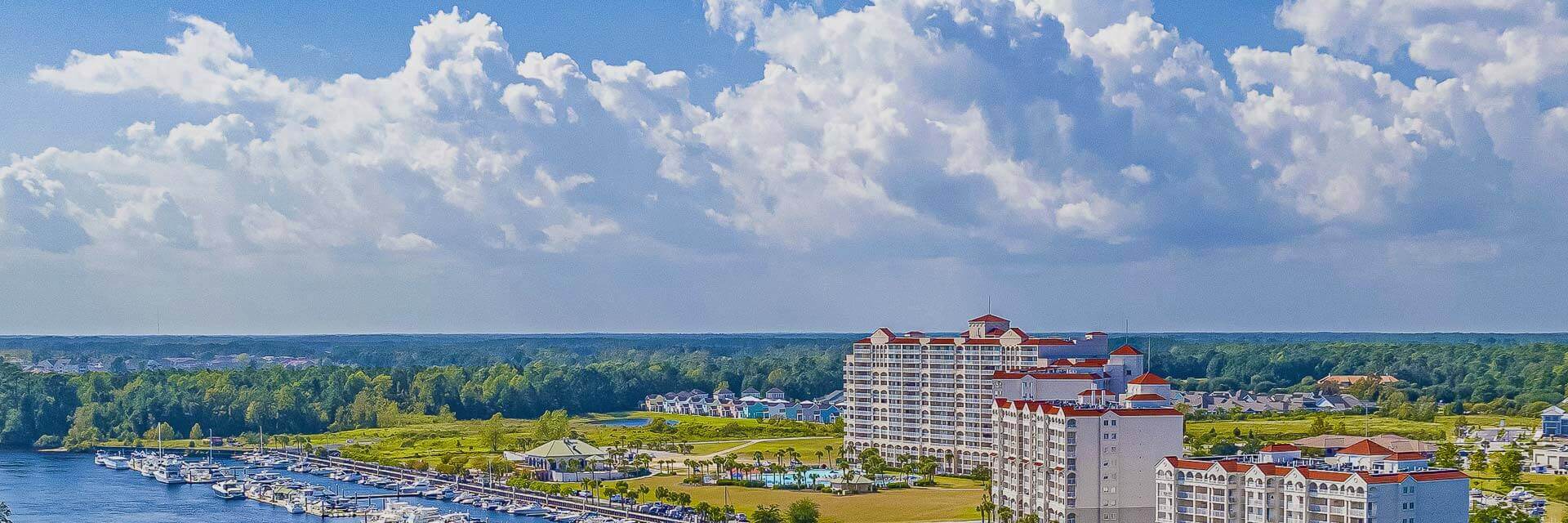

South of the Mason-Dixon line is a world-famous travel destination known as the âœGrand Strandâ�. The Grand Strand refers to a large stretch of beaches on the coast of South Carolina, extending all the way from the fishing village of Little River to historic Georgetown. The area goes on for 60+ miles and is home to two of the most popular tourist cities in the nation â" Myrtle Beach and North Myrtle Beach. Today, these towns attract over 14 million visitors a year and offer a plenty of things to do and see. But how exactly did the North Myrtle Beach Grand Strand become so famous? Letâs step back in time and find out.
Learn more about the North Myrtle Beach Grand Strand when you download our free vacation guide. Itâs full of recommendations for great places to visit during your stay with Seaside Vacations!
History of the North Myrtle Beach Grand Strand
The Name
Itâs said that the term âœGrand Strandâ� was coined by Claude Dunnagan, a columnist for the Myrtle Beach Sun. While writing an article about the area, he found out that the word âœstrandâ� was the German word for âœbeachâ�. The original column appeared on December 3, 1949, and Dunnaganâs term was quickly picked up by other media. Today, the phrase represents a whole string of communities and is used by area locals and visitors alike.
The Land
Did you know that the Myrtle Beach area was inhabited by Waccamaw Indians before settlers arrived? The Waccamaw name is still prevalent throughout the region today! Then, in 1899, the Conway & Seashore Railroad was built and began service. Railroad workers spent their free weekends on the sandy beaches and became the areaâs very first tourists. From there, the town slowly grew from a small farming community into a sought-after beach destination.